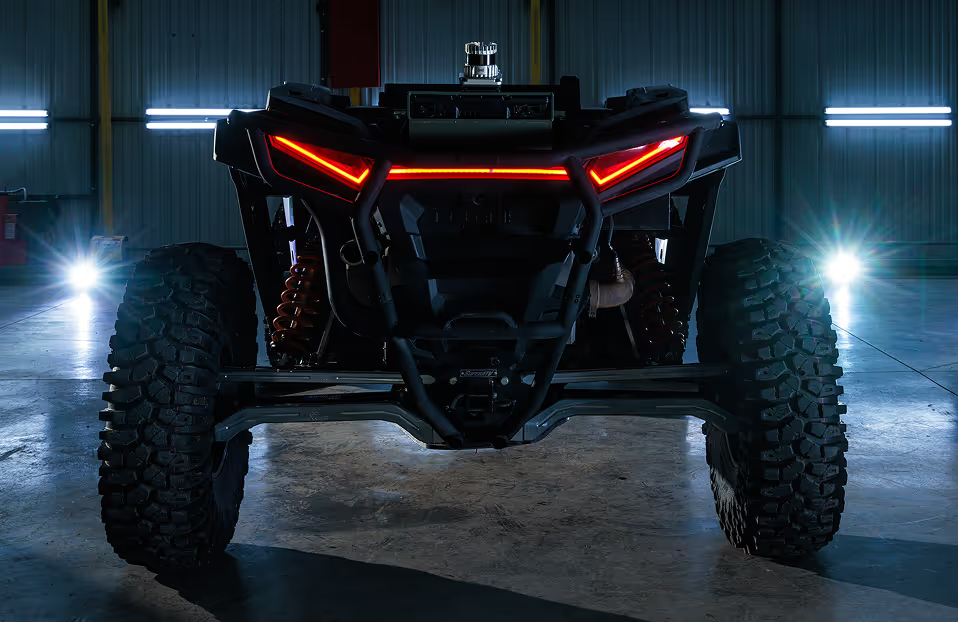
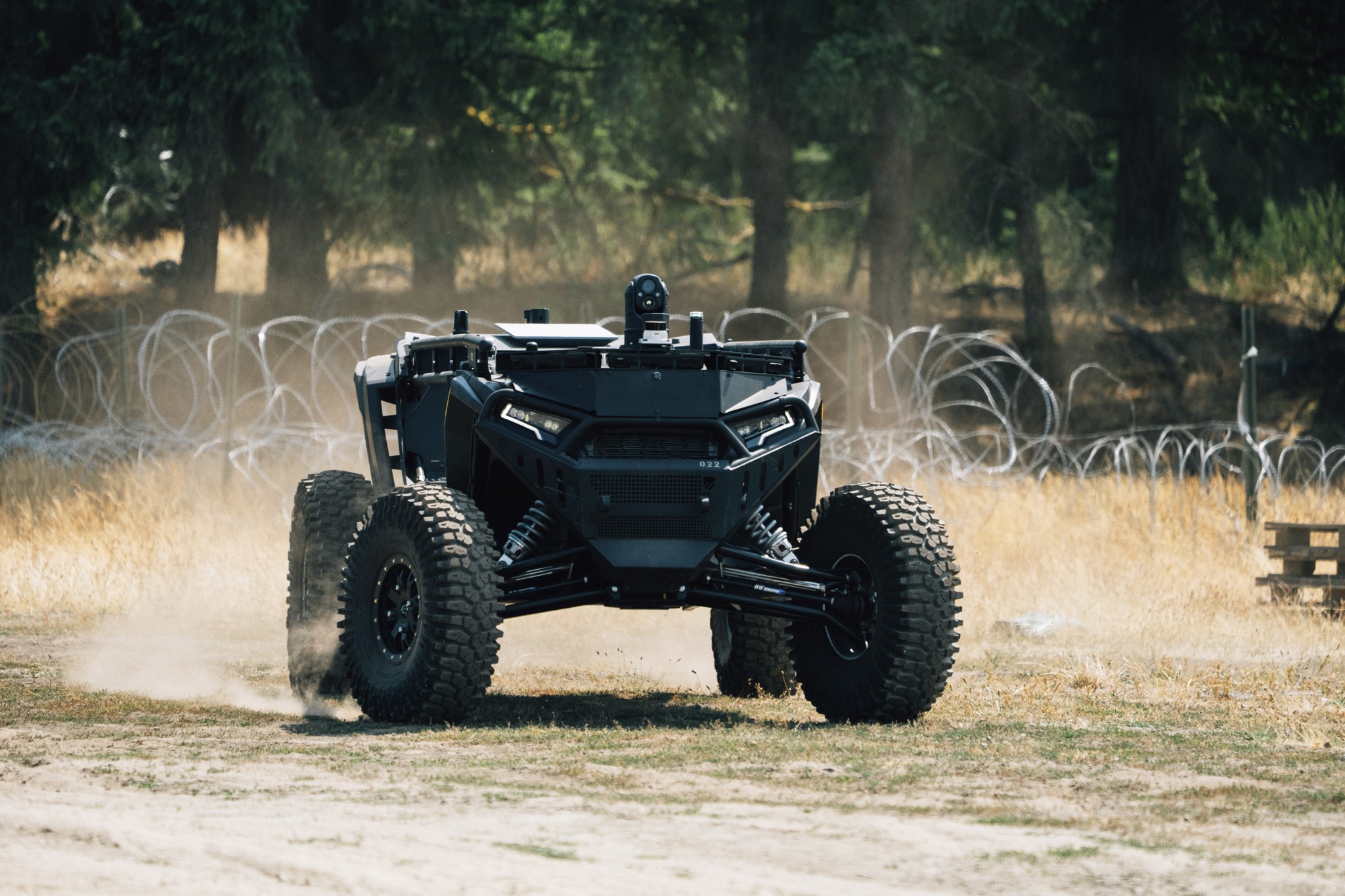
The Future of Warfare Is Here, and the United States Is Falling Behind
The stakes are nothing less than the lives of soldiers. We owe them technology that is not just functional but rigorously tested, field-proven, and reliable under the most demanding conditions. At Overland AI, we are delivering that capability today. Autonomy that multiplies force, reduces risk, and unlocks entirely new operational possibilities is no longer a distant dream. It is a necessity. And it is ready now.

Byron Boots, Stephanie Bonk, & Greg Okopal
Tuesday, January 14, 2025
The United States cannot afford to wait any longer. We are in a race to protect soldiers’ lives, and we are losing.
Russia is rapidly deploying uncrewed ground vehicles in Ukraine, punishing soldiers exposed on the battlefield. These machines don’t tire, they don’t suffer, and when one is destroyed, another takes its place. A robotic vehicle is more expendable than a human life.
Meanwhile, U.S. forces are struggling to match this technological shift. The terrain our troops face—rugged cliffs, volcanic ridges, dense forests—is treacherous, especially in potential conflicts in the Indo-Pacific. Here, vehicles can get stuck where humans cannot reach, while adversaries leverage electronic warfare to disable our systems. They are learning, iterating, and fielding technology faster than we are.
It’s no longer enough to acknowledge this gap. We must act decisively to close it.
The Challenge of Building Autonomy
Ground vehicles capable of operating without human drivers are extraordinarily complex machines.
Robotic vehicles navigate hostile, off-road terrain by constructing a detailed representation of the physical world. They calculate a sequence of tasks to arrive at designated destinations while adapting to sudden threats and unexpected obstacles.
This capability is no small feat. It requires the seamless integration of advanced robotics, artificial intelligence, and engineering, rigorously tested under real-world conditions. It demands autonomy that works independently, even when satellite connections are denied and maps are outdated.
Today, however, most uncrewed ground vehicles still require two or three operators to remotely guide a single machine. This dependency is not just inefficient; it is a vulnerability. On future battlefields where jamming devices and electronic attacks are rampant, remote operation will be rendered useless.
Autonomy without the need for direct human control is the solution—and the United States must move swiftly to implement it.
A New Paradigm for the Battlefield
Overland AI has spent years building ground autonomy that works without human intervention.
By combining real-time sensing, machine learning, and advanced robotics, our autonomy enables one operator to coordinate many robotic vehicles at the same time. They navigate rugged terrain, assess threats, and adapt to unforeseen challenges.
This isn’t theoretical. It’s happening now.
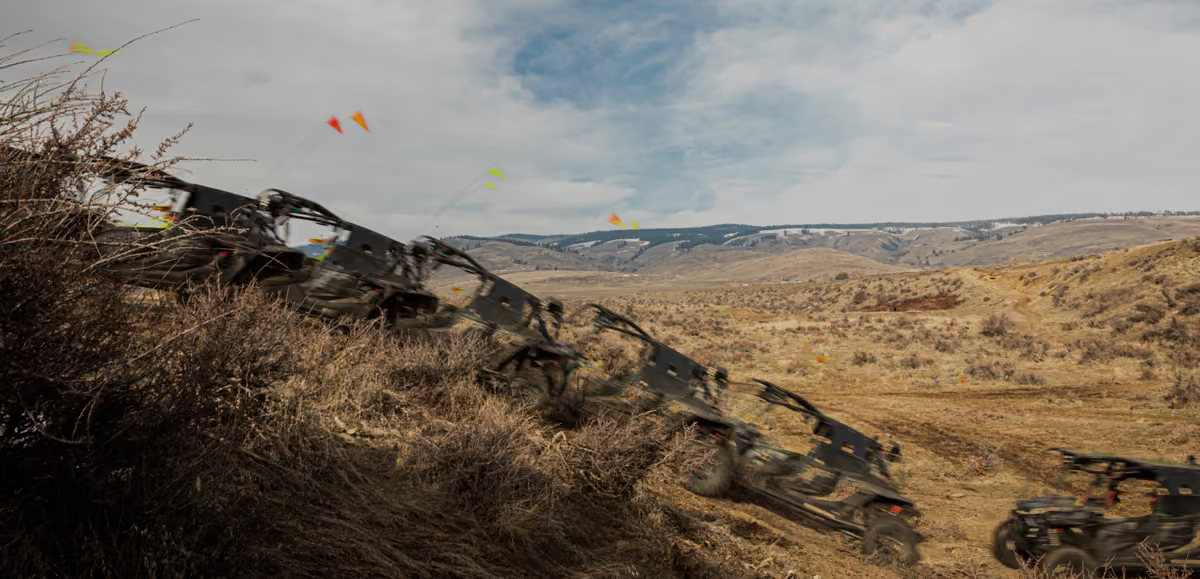
Imagine a U.S. Army platoon operating a reconnaissance mission in a dense forest. Using Overland AI’s user interface for tactical operations, a section leader clicks to generate a route that uses tree cover for protection. As the section’s autonomous vehicles move forward, they navigate obstacles and avoid threats independently, reporting back when they reach their waypoint.
Suddenly, a swarm of enemy drones appears over the horizon. The section leader re-tasks the autonomous vehicles to respond. Electronic countermeasures activate, jamming and disrupting the drones. Vehicles equipped with counter-drone payloads automatically reposition, creating a new formation to intercept the aerial threat. In minutes, the drones are neutralized, and the fleet assesses its battle damage, updates its position, and awaits new orders.
At every moment, autonomy is being exercised. The commander is in command—of individual robots when needed, but also of an entire fleet operating in coordinated force.
This is the paradigm shift reliable autonomy offers.
Instead of multiple operators controlling one vehicle, a single operator can direct an entire fleet, freeing up mental bandwidth to focus on tactics, threats, and objectives.
The Stakes Are High
For all of human history, control over a vehicle—be it a horse, a bicycle, or an automobile—has rested firmly in human hands. The arrival of self-driving technology, while a remarkable milestone in our technological evolution, has so far caused little disruption to the commercial world.
On the battlefield, the story is different.
The ability of a vehicle to operate autonomously—free of direct human control—is already delivering tangible advantages to those who can deploy uncrewed systems with reliability and precision. The nature of warfare is dictated by technology, and autonomy is proving to be its newest and most potent force.
The stakes are nothing less than the lives of soldiers. We owe them technology that is not just functional but rigorously tested, field-proven, and reliable under the most demanding conditions.
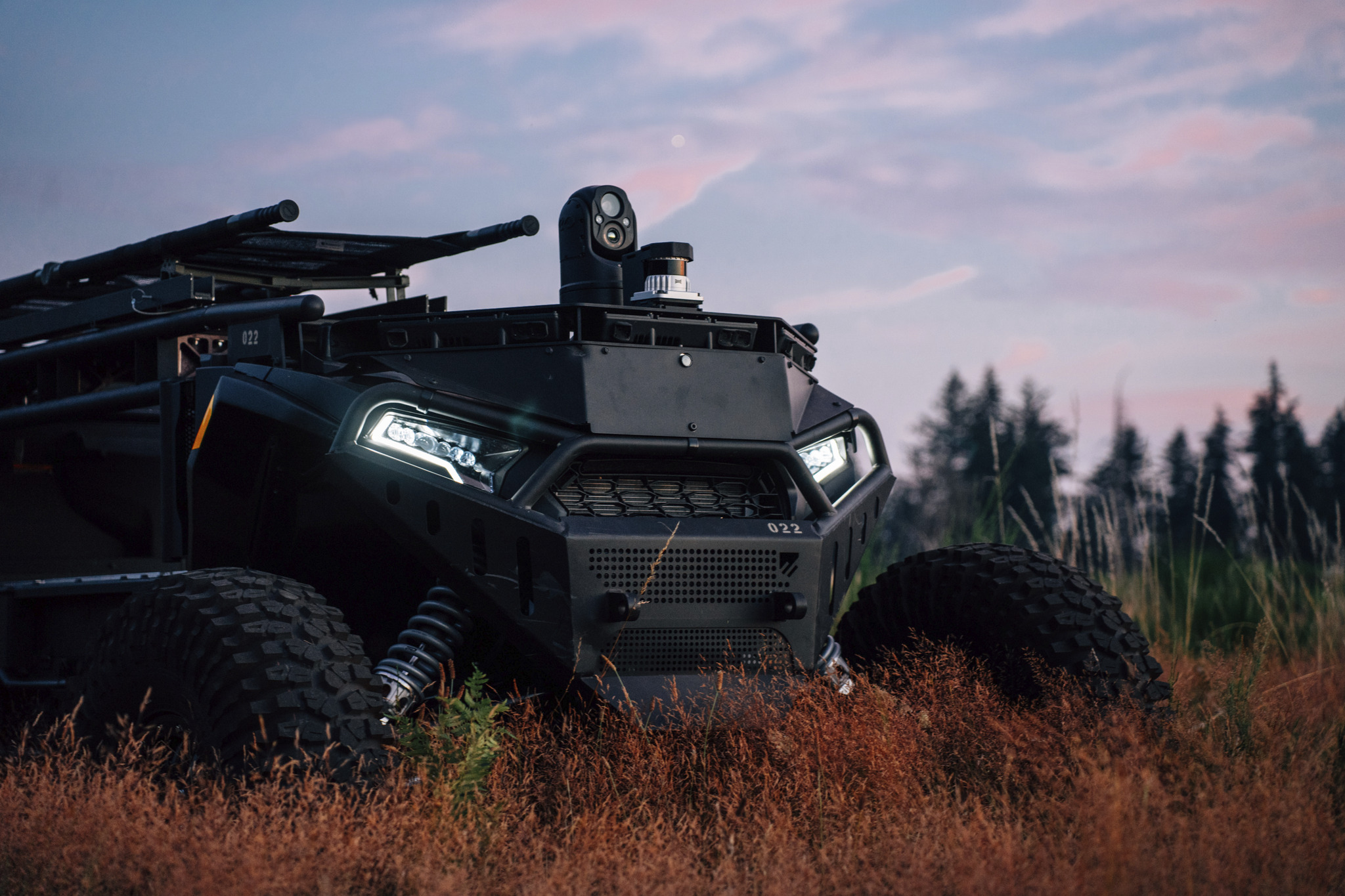
At Overland AI, we are delivering that capability today. Autonomy that multiplies force, reduces risk, and unlocks entirely new operational possibilities is no longer a distant dream.
It is a necessity. And it is ready now.
.png)
.jpeg)