Anduril & Overland AI: Coordinating Autonomous Effects Across Air and Land
Modern operations depend on connecting systems and sharing information between those systems. Disparate systems are not always designed to work together—the successful use of one technology does not guarantee integration with another. Integration of multiple systems, or the lack thereof, could determine the outcome of a future fight, and it must be solved with urgency. This is especially true on land, where unstructured terrain, response time, and comms‑denied environments introduce real operational constraints.
-min.avif)
Modern operations depend on connecting systems and sharing information between those systems. Disparate systems are not always designed to work together—the successful use of one technology does not guarantee integration with another. Integration of multiple systems, or the lack thereof, could determine the outcome of a future fight, and it must be solved with urgency. This is especially true on land, where unstructured terrain, response time, and comms‑denied environments introduce real operational constraints.
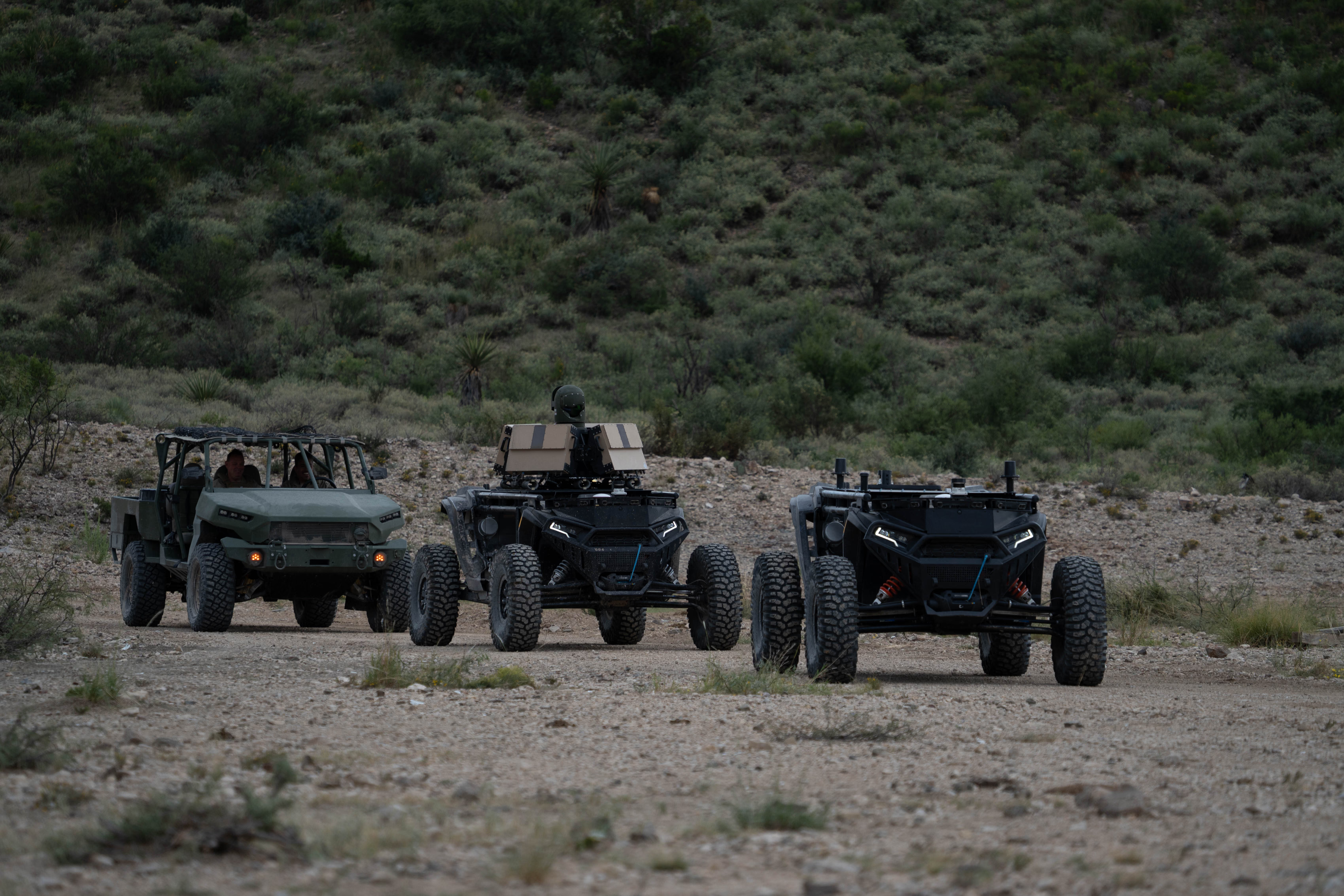
Last month, Anduril worked with Overland AI to conduct a joint field demonstration to explore how autonomous ground and air systems can coordinate in real time to detect and respond to emerging threats. The test showcased how autonomous uncrewed ground vehicles, operating as part of a connected system, can share information, coordinate actions, and deliver a rapid response from standoff in a counter‑UAS operation.
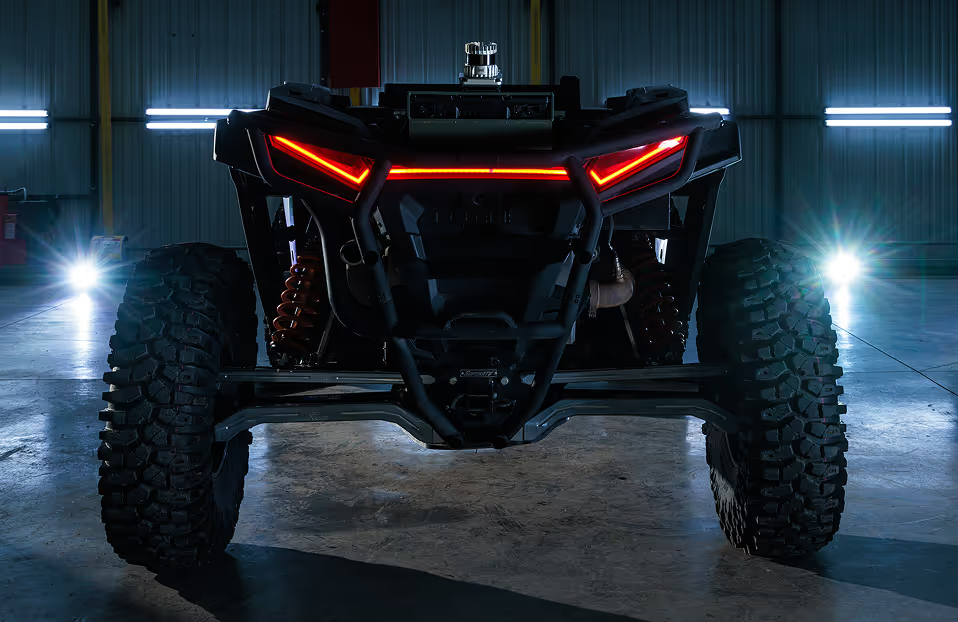
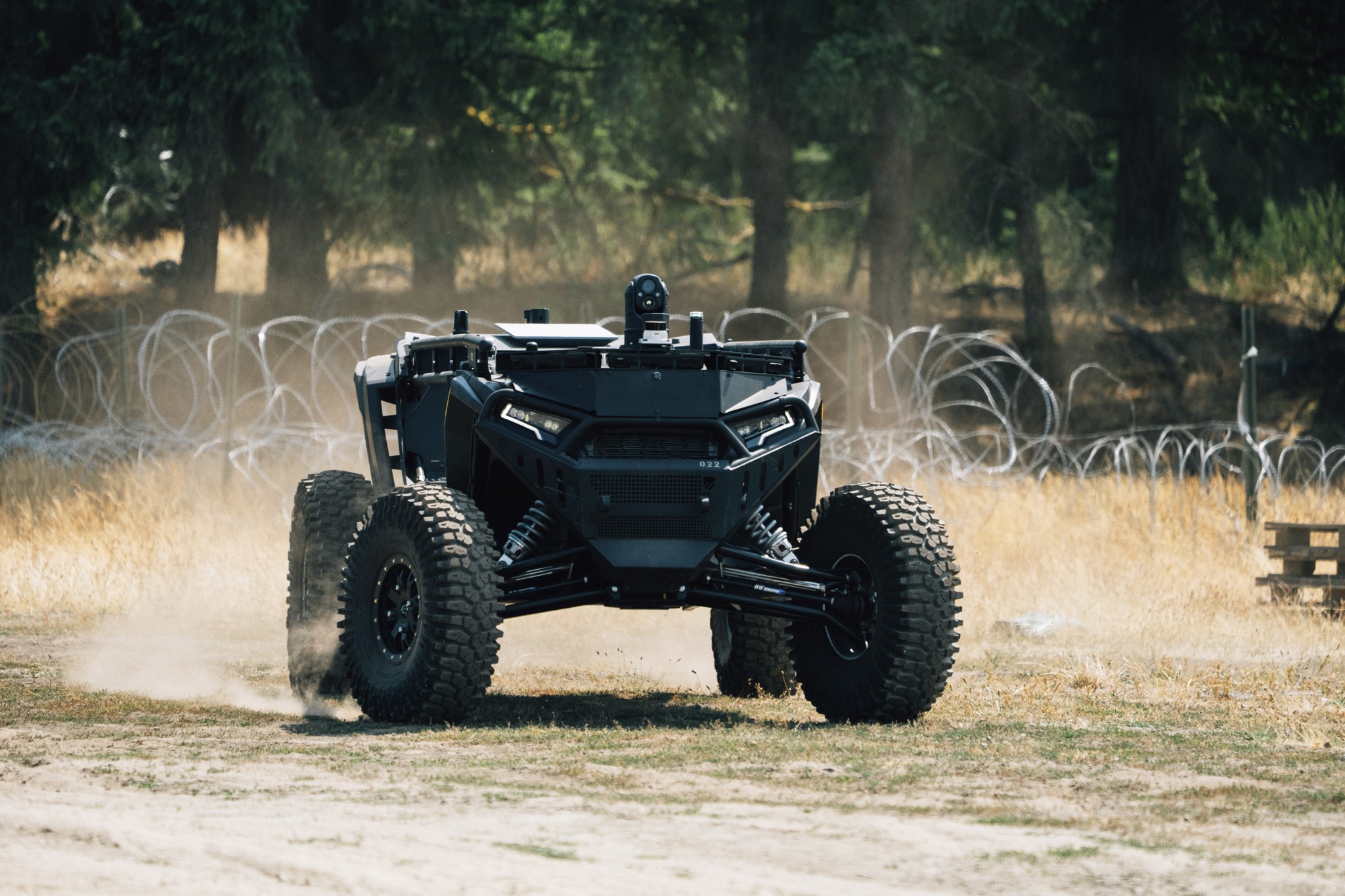
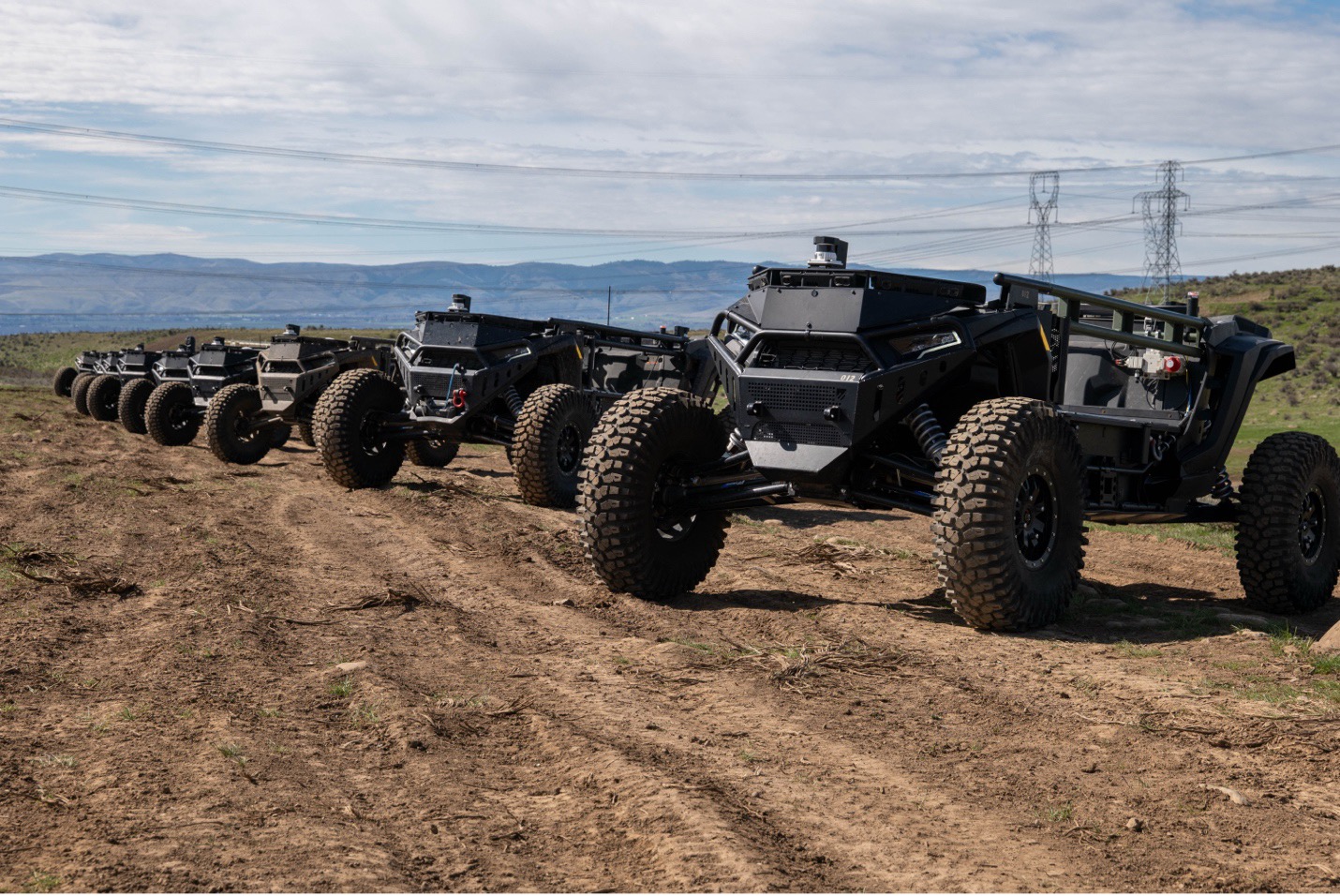
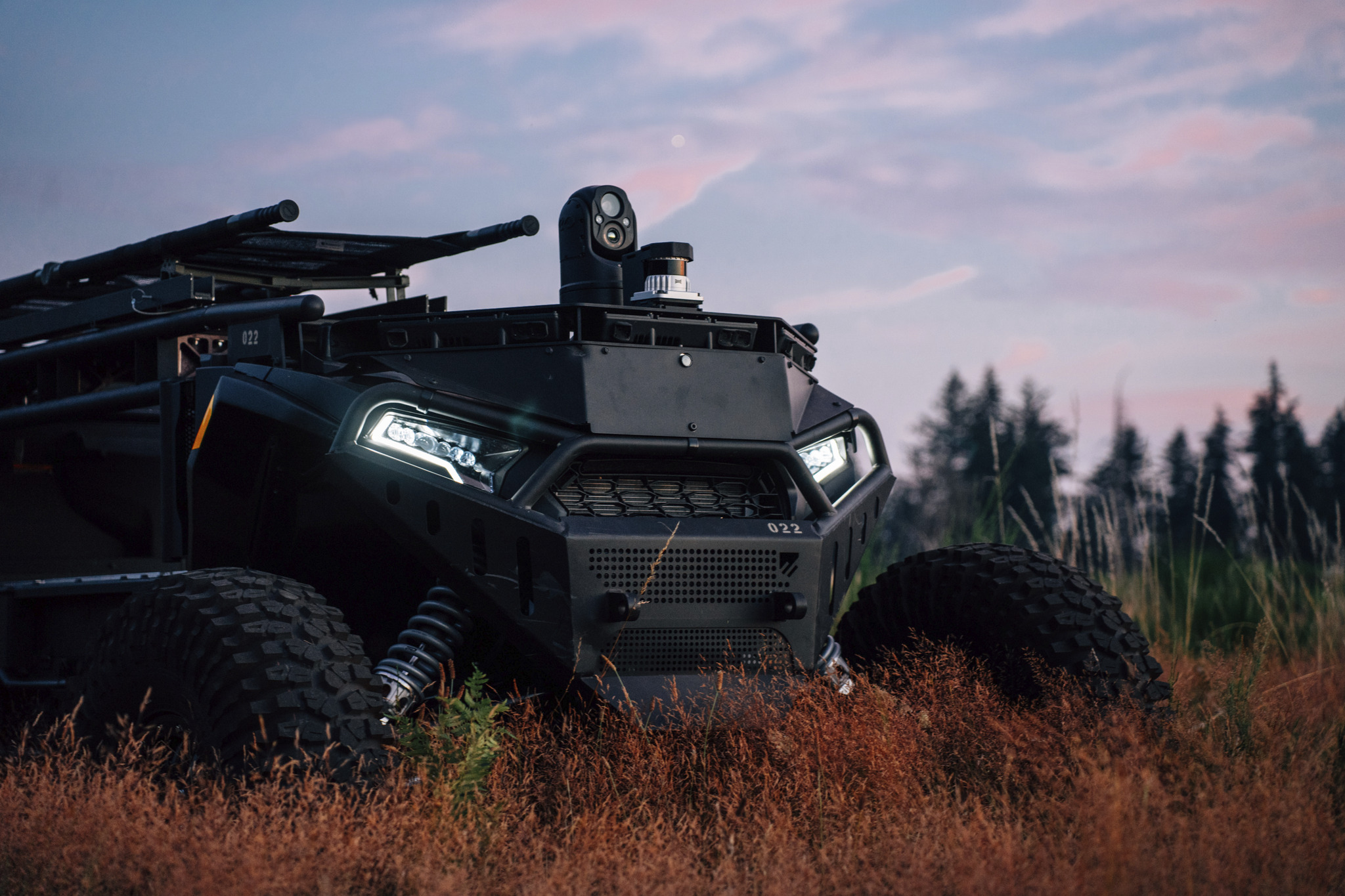
The setup began in a convoy formation. Two of Overland’s ULTRA ground vehicles, running Overland AI’s OverDrive autonomy stack, carried a suite of Anduril sensors, radars, and electronic warfare payloads, alongside a crewed vehicle. Nearby, Anduril’s Ghost-X provided overwatch—connected through the same network, ready to act on any threats it spotted.
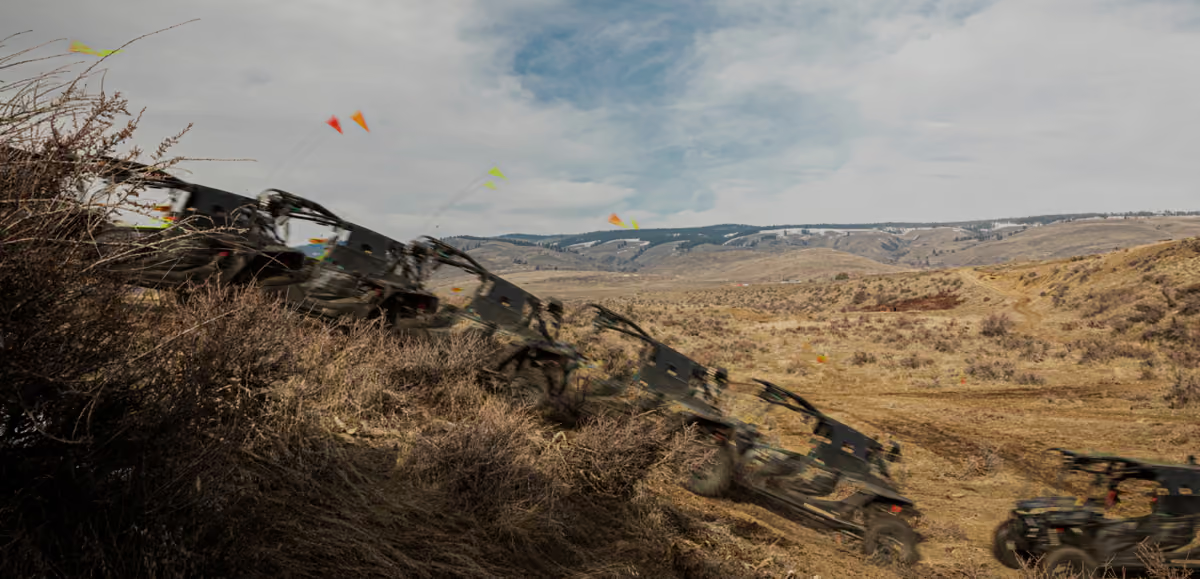
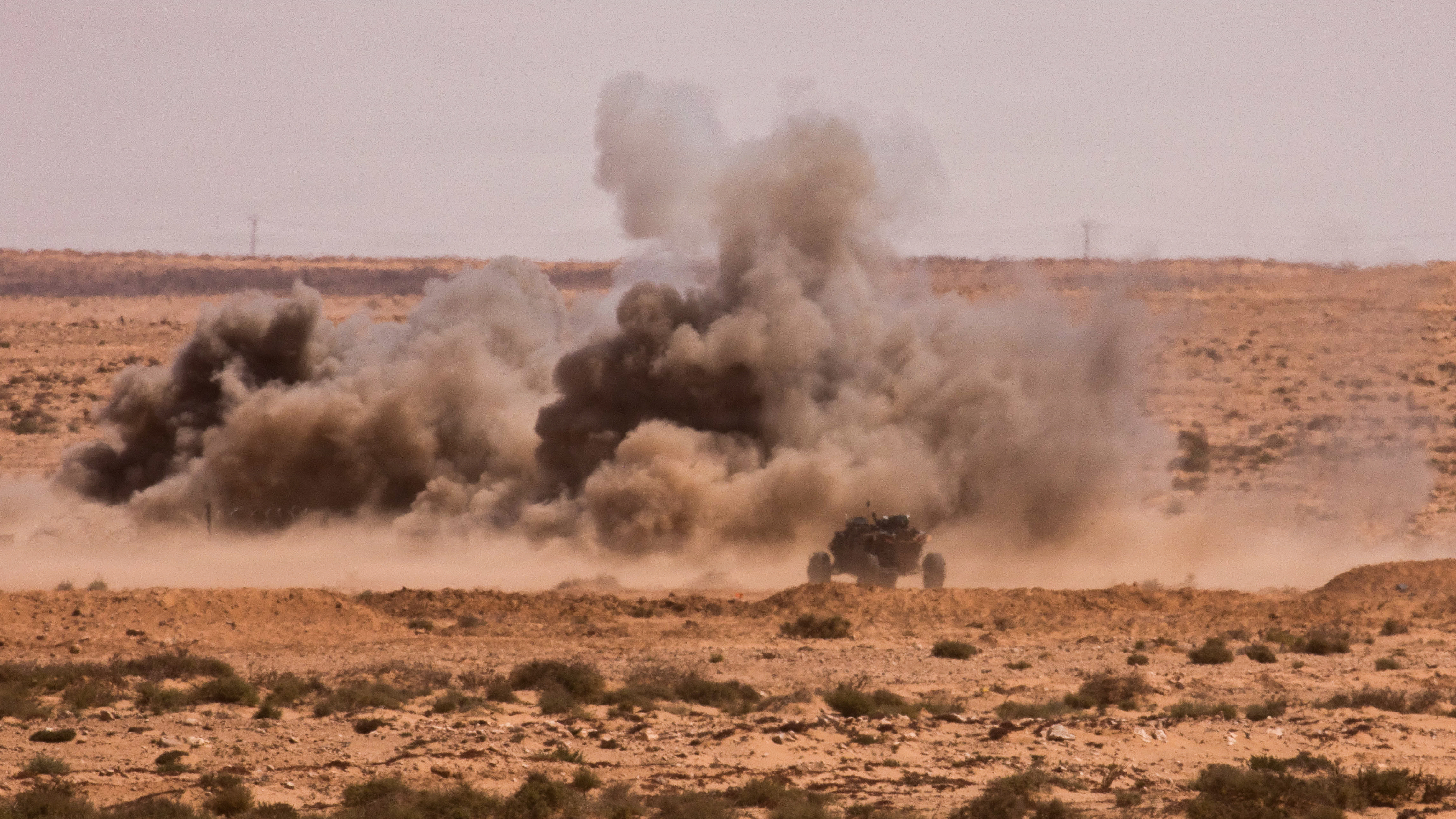
The scenario began with the Anduril UAS spotting incoming enemy drones in the distance, out of line of sight from the manned vehicle. The operator tasked both ULTRAs to drive up nearby hills to grab a read on the enemy drones. Designed for aggressive maneuver and unstructured terrain, Overland AI’s autonomy enabled both vehicles to rapidly reposition into elevated overwatch without human intervention. The integrated Anduril sensors on the ULTRAs began to detect and track drone activity. Within moments, that data flowed across the network, alerting operators and providing all necessary information to respond with EW countermeasures. Every step—maneuver, detection, tracking, and response—happened through one shared interface without manual coordination or data transfers.
.avif)
The goal was to see how autonomy behaves when different vehicles with different jobs operate as one system. The result was clear: the network held, the handoffs worked, and both air and ground systems responded in sync. It’s one step in a larger effort to understand how connected autonomy can extend awareness, shorten reaction time, and make complex operations simpler to run. With efforts like these, Anduril is connecting the future fight one system at a time.
.jpg)
.png)
.jpeg)